The Architecture
of Longing
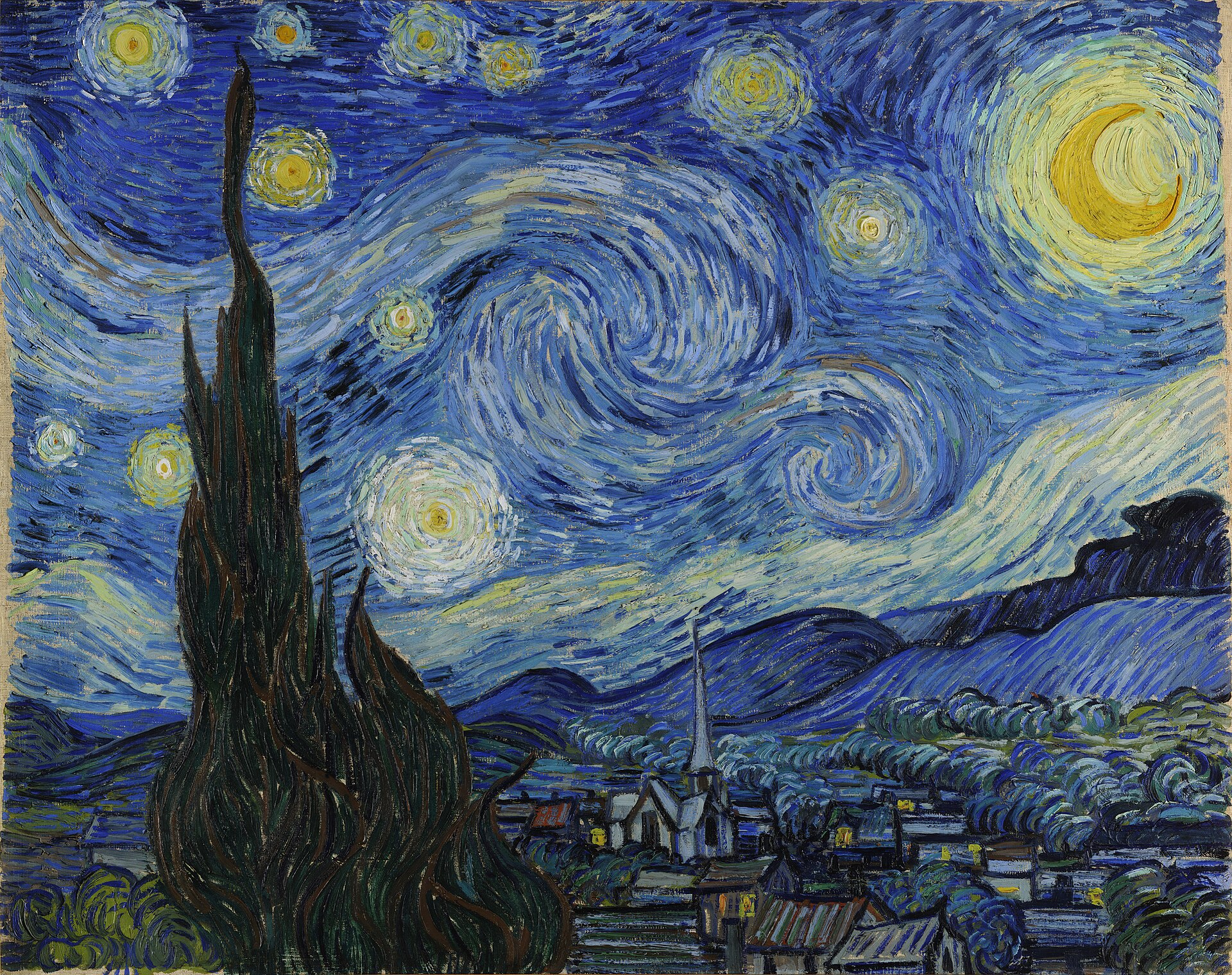

There is a peculiar kind of bravery in a man who decides that the world is not merely to be seen, but to be felt through the thickness of oil paint. To look at a canvas by Vincent van Gogh is not to observe a landscape; it is to witness a conversation between a soul and the infinite.
Vincent did not paint the stars as they appeared to the astronomer, but as they appeared to a man who felt the universe vibrating. In The Starry Night, the sky is not a void, but a churning ocean of cobalt and ultramarine.
What fascinates me most is his use of impasto. The paint is not laid flat; it is sculpted. These ridges of pigment create a physical topography on the canvas, casting their own tiny shadows. When we read Van Gogh, we are reading the rhythm of his pulse.
His work reminds us that beauty is often born from the wreckage of a broken spirit. Vincent’s tragedy was not that he was "mad," but that he saw too much, felt too deeply, and loved a world that didn't know how to hold him. To see his art with new eyes is to realize that longing is not a void, but a bridge.